
Ultimate Checklist for Buying a Plot in Chennai (2026)

Buying a plot in Chennai is a smart investment—but only if you get the fundamentals right. From legal verification to location analysis, every step matters to ensure a safe and high-return property purchase.

Here’s your simplified checklist 👇

1. Verify the Title and Ownership

Make sure the seller has a clear and legal title. Check parent documents (at least 20–30 years) to confirm ownership history and avoid disputes.

2. Check Encumbrance Certificate (EC)

An EC confirms whether the land has loans, legal issues, or liabilities. Always verify records for the past 20–30 years before buying.

3. Confirm Patta, Chitta & Land Records

  • Patta – Ownership proof
  • Chitta – Land classification
  • Adangal – Land details

Ensure the land is classified for residential use, not agricultural.

4. Check DTCP / CMDA Approval

Only buy plots with proper approvals:

  • CMDA – Within city limits
  • DTCP – Outskirts

Avoid unapproved layouts—they can cause legal and construction issues.

5. Verify Zoning & Land Use

Ensure the plot falls under residential zoning. Avoid green zones, industrial areas, or restricted lands unless properly converted.

6. Inspect the Location & Connectivity

Look for:

  • Proximity to schools, hospitals, IT hubs
  • Access to highways and public transport
  • Future infrastructure growth

Good location = better appreciation.

7. Do a Physical Site Visit

Never rely on brochures. Check:

  • Plot boundaries
  • Road access
  • Surrounding development
  • Waterlogging or flood risk

Chennai has flood-prone zones—don’t ignore this.

8. Ensure Basic Infrastructure

Confirm availability of:

  • Water supply
  • Electricity
  • Drainage system
  • Proper roads

These directly impact livability and resale value.

9. Registration & Final Paperwork

Once everything checks out:

  • Complete the Sale Deed
  • Pay stamp duty and registration charges
  • Transfer Patta to your name

This is what legally secures your ownership.

Final Word

Buying a plot isn’t just a transaction—it’s a long-term decision. The right plot can grow in value, give you flexibility, and become a strong asset over time.

But only if you get the basics right.

Take your time, follow the checklist, and focus on legal clarity, location, and long-term potential. That’s what separates a good deal from a great one.
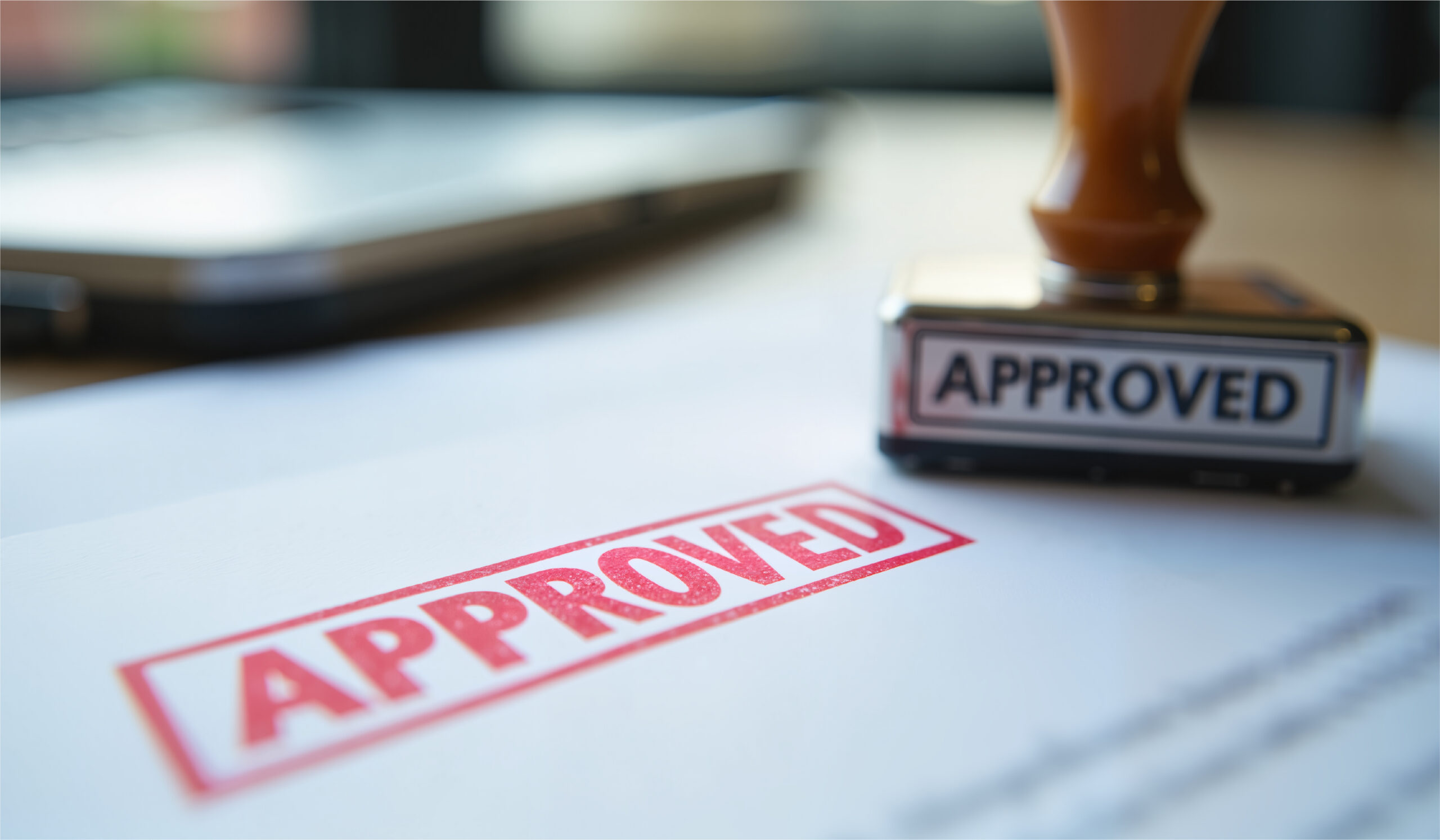

DTCP vs CMDA vs Panchayat – Chennai Plot Approval Guide

Know how each approval type impacts your plot purchase, legal safety, and future construction possibilities. This guide helps you understand which approval is best suited for a secure real estate investment in Chennai.

Why Approval Matters in Plot Buying ?

A properly approved plot gives you more than just peace of mind. It ensures the land follows government regulations, making it easier to build, sell, or even get financing.

If you’re serious about buying plots in Chennai, approvals should be your first filter—not an afterthought.

CMDA Approval – Best for City-Based Investment

CMDA (Chennai Metropolitan Development Authority) approval applies to plots within Chennai city limits. These layouts follow strict planning norms, which makes them highly reliable.

CMDA-approved plots are ideal if you’re looking for residential plots in Chennai city with strong legal backing and easy home loan eligibility. The pricing is usually higher, but so is the level of security and infrastructure.

DTCP Approval – Ideal for Growth & Investment

DTCP (Directorate of Town and Country Planning) approval covers areas outside Chennai city, especially fast-developing suburbs.

Locations like Sriperumbudur, Oragadam, and Thirumazhisai fall under DTCP zones and are seeing rapid growth due to infrastructure and industrial expansion. That’s why DTCP approved plots in Chennai outskirts are widely preferred—they offer a good balance between affordability and future appreciation.

Panchayat Approval – Lower Cost, Higher Caution

Panchayat-approved plots are typically found in village or semi-rural areas. While they are more budget-friendly, they don’t always meet structured planning standards.

Loan approvals can be difficult, and resale may not be easy. For buyers considering land investment in Chennai, these plots require careful legal verification before proceeding.

What Should You Choose?

If your priority is safety and city access, CMDA is the right choice.
If you’re looking for better returns and future growth, DTCP-approved plots make more sense.
Panchayat plots should only be considered after thorough legal checks.

For most buyers today, DTCP approved plots near Chennai offer the best combination of price and long-term value.

Final Word

In Chennai’s growing real estate market, approvals play a crucial role in protecting your investment. Choosing between DTCP vs CMDA vs Panchayat approval isn’t just about understanding terms—it’s about making a decision that secures your future.

Focus on legal clarity first, then evaluate location and price. That’s how you turn a simple plot purchase into a smart long-term investment.


Tamil Nadu Stamp Duty and Registration Charges (2026)

Stamp duty and registration charges in Tamil Nadu vary based on the type of property transaction and the property value. This 2026 guide explains the latest charges, calculation methods, and key things every property buyer should know before registration.

What Are Stamp Duty and Registration Charges?

When you buy a property in Tamil Nadu, the total cost goes beyond just the property price. Two mandatory charges—stamp duty and registration charges—must be paid to legally record the transaction.

Stamp duty is a tax levied by the government on property transactions, while registration charges are the fees paid to officially register the property in your name.

If you’re planning to invest in plots in Chennai or Tamil Nadu, understanding these costs helps you budget better and avoid last-minute surprises.

Current Stamp Duty and Registration Charges in Tamil Nadu

As of 2026, the standard charges are:

  • Stamp Duty: 7% of the property value
  • Registration Charges: 4% of the property value

This means the total registration cost comes to 11% of the property value.

For example, if you are buying a plot worth ₹50 lakhs:

Total: ₹5.5 lakhs

Stamp Duty: ₹3.5 lakhs

Registration Charges: ₹2 lakhs

How Property Value is Calculated?

Stamp duty is calculated based on the higher of two values:

  • The actual transaction value
  • The government guideline value

This ensures that properties are not undervalued during registration. For buyers exploring land investment in Chennai, it’s important to check the guideline value of the area before finalizing the deal.

Additional Costs to Keep in Mind

Apart from stamp duty and registration, buyers should also budget for:

  • Legal verification charges
  • Documentation and processing fees
  • Brokerage (if applicable)
  • Patta transfer charges

These may seem small individually but add up to the overall cost of buying a residential plot in Tamil Nadu.

Why Paying the Right Charges Matters?

Some buyers try to reduce costs by underreporting property value—but this can lead to serious legal issues later.

Proper registration ensures:

  • Clear legal ownership
  • Easy resale in the future
  • Eligibility for loans
  • Protection against disputes

For any property investment in Tamil Nadu, transparency is always the safer choice.

Final Word

Stamp duty and registration charges are a crucial part of any property purchase. While they may seem like an added cost, they are what legally secure your ownership.

If you’re planning to buy plots in Chennai or anywhere in Tamil Nadu, factoring in these charges early will help you make a more confident and well-planned investment decision.